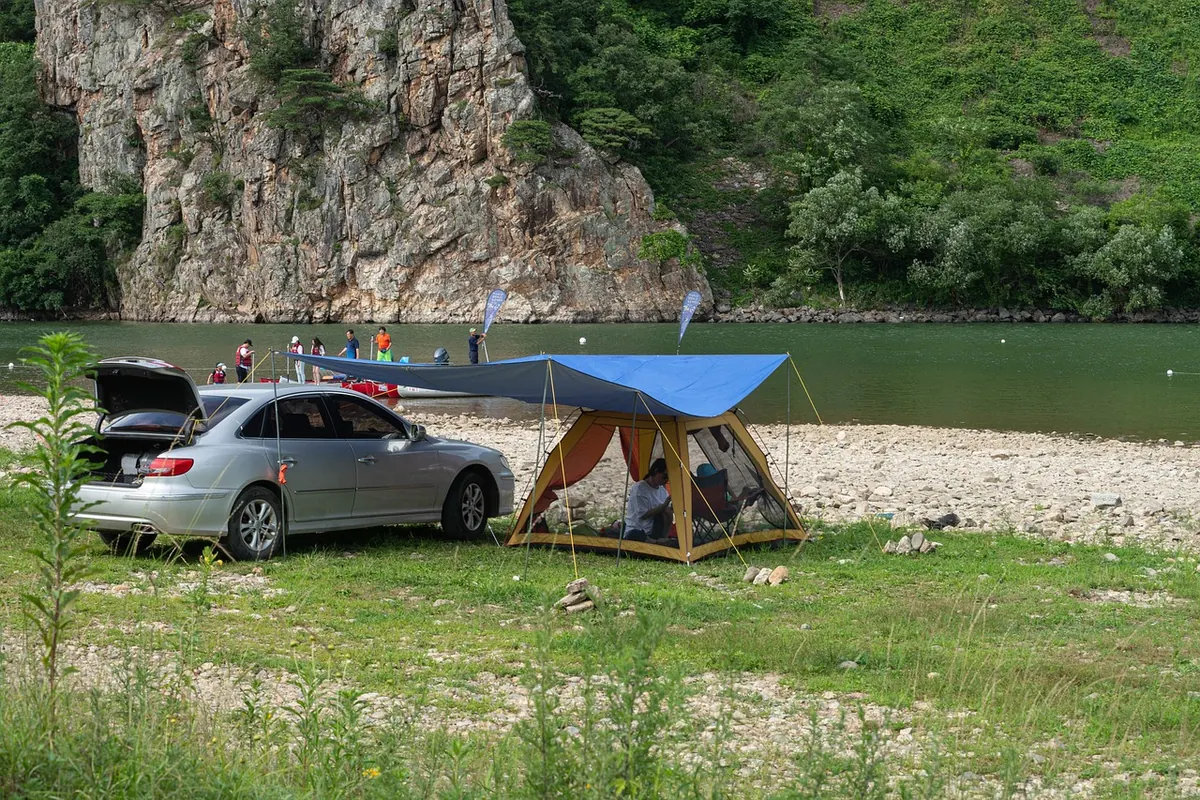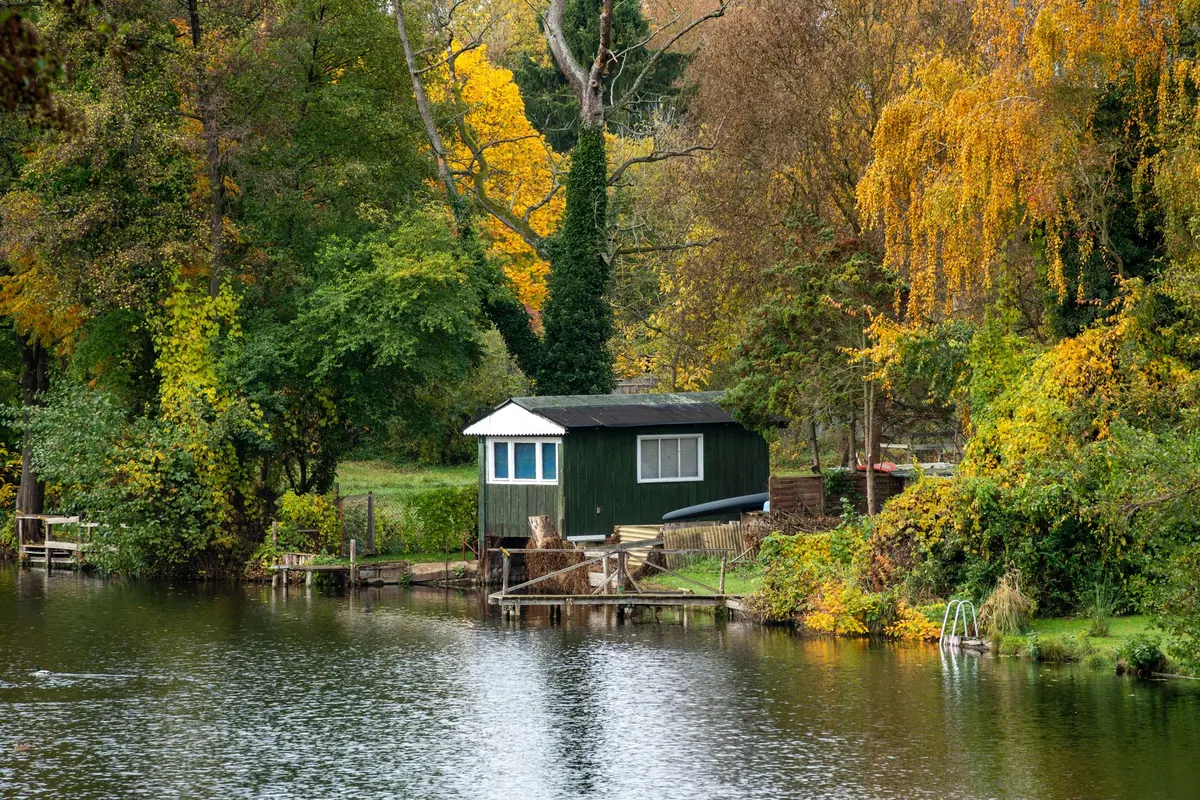
A forest stage is judged twice. Once by the audience at dusk, when the light comes up through the canopy and the deck settles underfoot. And once by the wood, months later, when the leaf litter has had time to show what you did to it. Most of the mistakes are visible in that second look: a ring of bare mud where the seating stood, a blue tarp stapled to a beech, a slope that was shaved flat with a spade because someone wanted a level platform.
None of that is necessary. A temporary stage can hold forty people, survive a wet week, and vanish in an afternoon. It comes down to three decisions: how you spread weight, what you build from, and how carefully you keep traffic off everything else.
Start with the ground, not the drawing
Walk the site before you sketch anything. Go after heavy rain, when the wet corners announce themselves, and again in leaf-off so you can see the shape of the slope and the deadwood overhead. Carry a torch even at midday, because woodland is darker than it looks from the track.
Mark out four zones with pegs and flagging tape: performance, audience, backstage, and route. Then mark a fifth — the area you will not touch. That usually includes the root plates of the biggest trees, anything with fungal brackets on the trunk, and the mossy bank that turns to soup under boots.
Two practical checks save a great deal of later work. First, look up: a stage under a limb that sheds in wind is a liability, not a design feature. Second, measure the slope. A gentle fall of a few degrees can be built out inside a deck frame with packing and adjustable feet. A steep bank cannot, and shouldn't be cut into. If the ground is too steep, move the stage or terrace the audience instead.
Footings: spread the load, don't dig
The instinct to bury posts in concrete is strong and almost always wrong in a wood. Concrete is permanent, root damage is permanent, and both are expensive to undo. Instead, use footings that put weight on the surface rather than into it.
- Timber pads and deck blocks. Clear the duff, level a bed of compacted grit or firm soil, lay two pressure-treated sleepers flat, and set a proprietary deck block on top. The load spreads over a good square metre per leg. Nothing penetrates the ground.
- Ballasted frames. A ladder frame of scaffold tube or heavy timber, weighted with sandbags or water ballast. Ideal on rock, hardstanding, or ground so sensitive you don't want to disturb it at all. Heavy to carry in, so keep the build close to the vehicle drop.
- Ground screws. A steel helix turned in with a bar, removed at strike. They leave a narrow hole rather than a trench, and no concrete. They do disturb a column of soil, so keep well clear of root flares and get the landowner's agreement before the first one goes in.
- Sandbag cribbing on slopes. Build in courses, each stepped back from the one below, keeping the height modest. Anything taller than knee height, or anything holding back significant weight, needs proper structural advice — don't guess at retaining walls.
What to avoid is easy to list: concrete, buried posts, cutting a level pad into a bank, and stacking anything on top of a root flare where the ground flexes.
Materials that come back out
Build light, build dry, and build so that every piece can be carried out by two people on a narrow path. Structural plywood of at least 18 mm with exterior glue, timber joists at 400 mm centres, and scaffold boards scrounged from a hire yard for decking all do the job. Skip MDF, chipboard and OSB entirely; one damp night and they are rubbish.
Fix with screws rather than nails, and use bolts at the frame joints. Number every component with tape or a permanent marker as you build, and sketch the plan on the back of a door. The second build then takes half as long, which matters when you are striking in the rain at eleven at night.
A hollow deck drums underfoot. Shallow voids with a layer of rubber matting on top, or sandbags tucked under the joists, kill most of it. Sandbags have the advantage of being useful ballast on the way in and a useful seat on the way out.
Seating without terracing
Audiences will sit on almost anything as long as they can see and their feet stay dry. Upright log rounds set on a levelled bed of compacted spoil make excellent front rows. Borrowed benches, scaffold-board bleachers and straw bales all work, though bales get damp, go mouldy and must never be left behind — plan their removal before you plan their delivery.
For sightlines, a rise of roughly a hand's width per row is a reliable starting point. Keep rows short, five or six deep, with a cross-aisle before the rake continues. Then do the obvious thing people skip: sit in the back row with someone standing on the stage in costume and check that you can see their feet.
Leave the front row on firm, level ground and mat it, so wheelchairs, walking frames and tired legs have somewhere to go. Mark row ends with tape and a little reflective strip — the audience arrives in the dark, not at the time on the poster. And keep two clear routes out of the seating area, with no dead ends, agreed with the landowner before the first ticket is sold.
Ground protection and the paths between
Mud is the honest measure of a badly planned event. The fix is boring and effective: one route, marked, protected, and used by everyone including the people who think they don't need to use it.
Lay a woven geotextile along the route, then woodchip or brash on top. Where the ground is soft, put interlocking ground protection mats over the membrane and clip them together so they don't shuffle apart underfoot. Do not use plain plastic sheeting: it seals the soil, starves roots of air and water, and turns into a slide the moment it is wet.
Consolidate deliveries into as few trips as possible, keep vehicles behind the marker line, and carry kit in by hand or barrow for the last stretch. A route that isn't marked will be ignored at nine in the evening. A route that's marked with tape and a couple of lanterns will mostly be respected.
Trees: near, not through
Nothing goes into a tree. No nails, no screws, no staples, no paint. If something must be attached temporarily, use wide padded webbing slings and take them off at strike — but keep structural loads off trunks entirely. Lighting bars and speaker stands should be free-standing frames with ballast, placed clear of the canopy drip line.
Bark is living tissue, and every scrape is an opening. Keep ladders padded at the contact point, don't lean planks against trunks, and keep foot traffic inside the marked route rather than weaving between the big trees. Leave standing deadwood where it is; it is habitat, and it is not yours to tidy.
Any pruning, however small, belongs to the landowner, not the production. Ask, in writing, and expect the answer to be no.
The strike, and the check two weeks later
Striking well is a skill worth rehearsing. Do it in daylight if you possibly can, and in reverse order of the build.
- Lift the deck in numbered sections and stack them where they can be carried out without a second path being worn.
- Remove all fixings into labelled tubs. Loose screws in leaf litter are the most common thing left behind.
- Pull the mats and membrane, sweep off the woodchip, and rake the duff back over any scuffed patch.
- Backfill anchor holes with the soil you took out, plus duff, and water them in if the weather is dry.
- Walk the whole site at dusk with a torch — that is when you find the cable tie, the sequin and the stray gaffer tab.
- Return two weeks later, stand where you took the first survey photograph, and take the same shot again.
That last visit is the one that teaches you anything. Compare the two photographs, note where the grass has not come back and where the ground still dips, and tell the landowner what you found — including the parts that went wrong. A good forest stage gives an audience a night they remember and gives the wood nothing to remember at all.
Photo: Gundula Vogel / Pexels