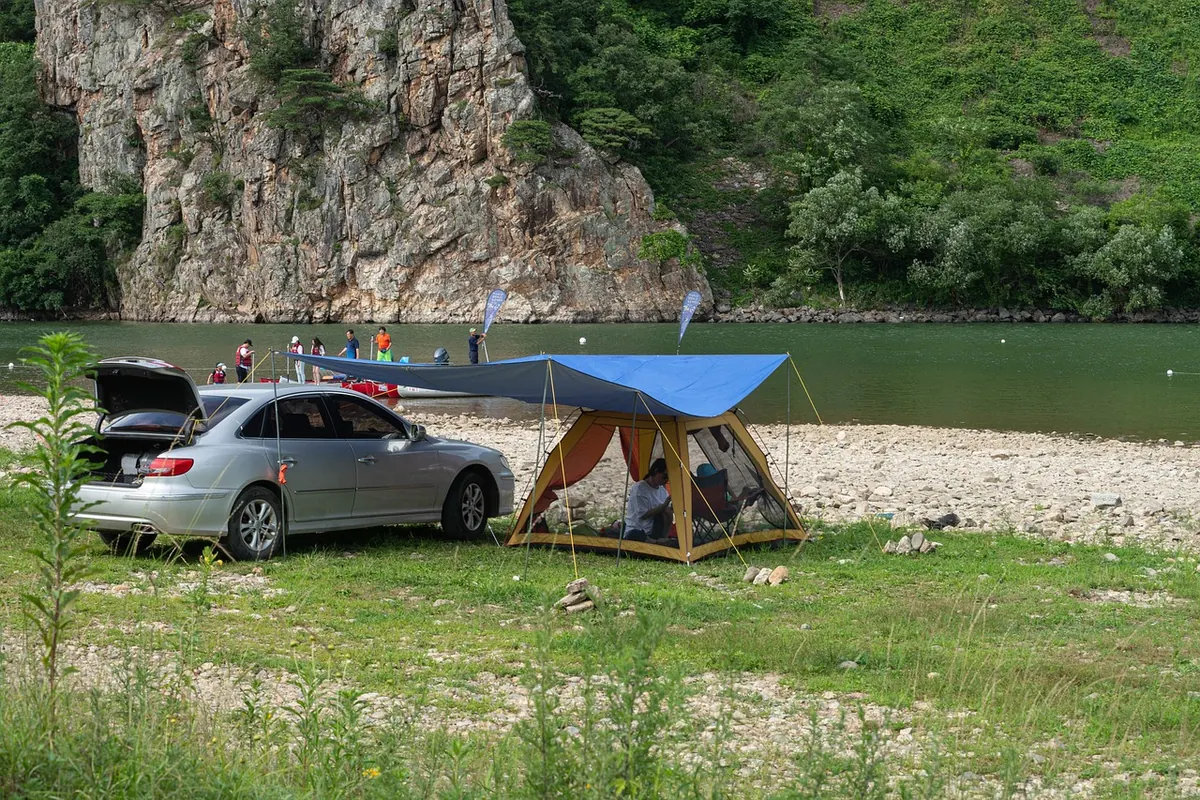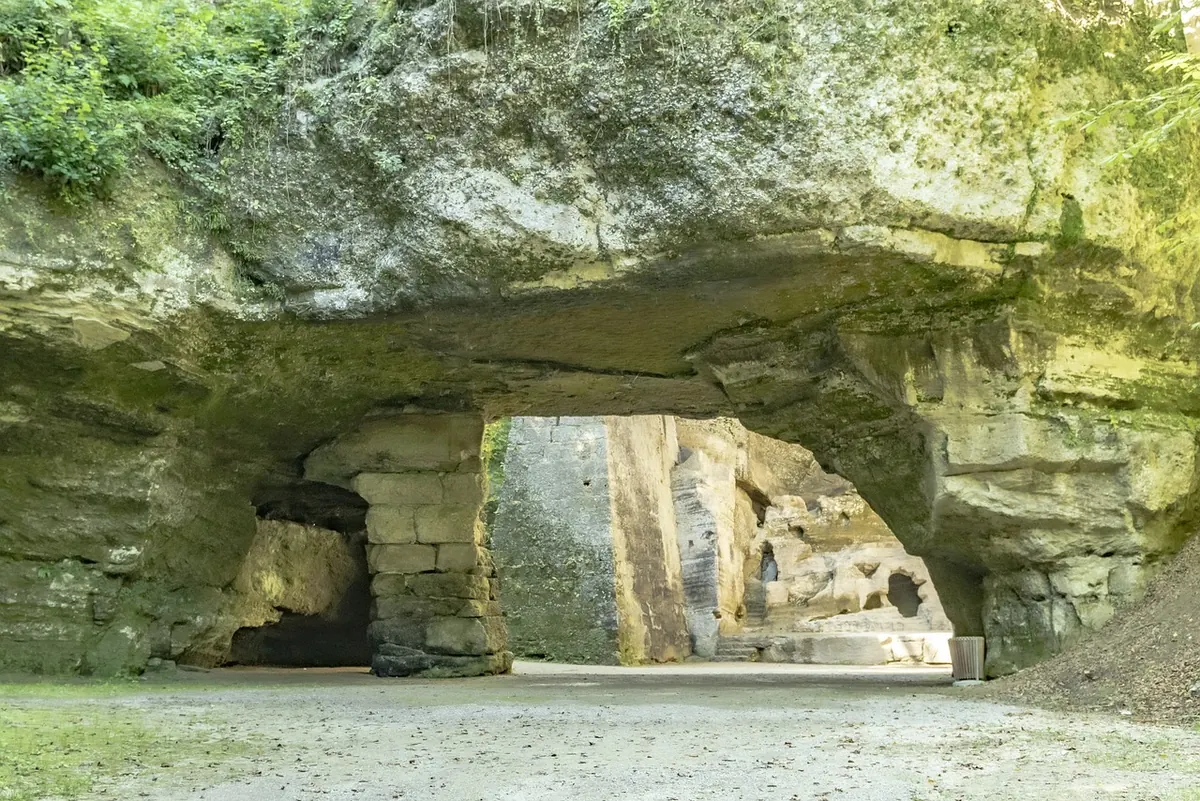
Forest theatre is not a conventional stage with trees painted on the backdrop. It is a performance that accepts the woodland as a collaborator — one that will interrupt you with a gust of wind, a wood pigeon, or the smell of wet leaf litter. That is the appeal. It is also the reason a first outdoor production needs a different kind of planning from a black-box show. What follows is the sequence that works: find the right patch of woodland, sit your audience comfortably, rehearse in the open air until the trees stop being a distraction, then move people in and out with care. Small, well-prepared, and slightly rough at the edges is a good place to begin.
Choosing Your Woodland Site
Start with permission. Find out who owns or manages the wood — the landowner, the forestry commission, the local authority, the parish council — and ask early, in writing, explaining what you intend to do and how you will leave the site. Ask about protected designations and any restrictions on fires, lanterns or amplified sound. If you are charging admission or inviting the public, it is worth asking about public liability cover before you commit to a date; a local authority or insurer can tell you what applies in your area.
Then walk the wood with a performer's ear and an audience's knees. Not every woodland sounds alike. Dense conifer plantation swallows the voice; beech and oak in leaf hold it and carry it further. Look for a clearing with a gentle slope, or a natural bowl where the ground rises at the back — it saves you an enormous amount of seating work.
- Acoustics: clap and speak from the centre of your proposed playing area while a friend stands at the far edge. If they have to strain, keep looking.
- Ground: level enough to sit on, dry after a day of rain, free of exposed roots and old stumps.
- Overhead: look up. Dead branches hanging in the canopy are the main thing you cannot fix yourself. If any look suspect, ask a tree professional to check the site before you rehearse under it.
- Access: a walk of five to ten minutes from parking is fine. Twenty minutes carrying lanterns, benches and a costume rail is not.
- Exit routes: at least two ways out of the seating area, and one that works in the dark.
Design the Arrival Before the Show
The audience's experience starts at the car park, not at the first line. Walk the whole route yourself, at the pace of a nervous person in the wrong shoes, and decide where you will meet people, where you will light the path, and how long the walk really takes. Add five minutes to your estimate.
Mark the route with something visible but not ugly: lengths of ribbon at head height, a few lanterns on stakes, a torch-lit turning point. An usher at the gate who says good evening and points the way does more for a woodland performance than any amount of scenery. Arrival is part of the show; treat the last hundred metres as a scene you have directed.
Arranging Natural Seating
Seating is where first-time forest productions most often go wrong, usually because nobody has sat in the seats for long enough. A log with no back is comfortable for about twenty minutes and punishing after forty.
What to build with
- Logs set on flat ground and wedged so they cannot roll — the classic, and still the best.
- Scaffold board on round stumps, roughly 45cm high and 35cm deep, with a second board behind at a slight angle as a backrest.
- Straw bales for a single dry evening; they soak up damp and become heavy, so keep them off the grass and return them afterwards.
- Blankets and ground mats in a basket at the front for anyone who prefers the floor, and for children.
Arrange in short rows of eight to ten, no more than four deep, with a clear aisle at each end. If the ground slopes, cut a shallow terrace for each row so the front edge sits into the earth. Test every seat yourself, including the one at the far corner that everyone forgets. Put a low lantern or a strip of glow tape at the aisle ends and at any step, and tell the audience in the booking message to bring a cushion and a warm layer. In summer, a small basket of insect repellent earns its place.
Making a Stage Without Building One
Resist scenery. In a wood, three or four well-chosen markers define a playing area more clearly than a painted flat: a fallen trunk, a bank of ferns, the gap between two trunks where the light comes through. Lay out the space with tent pegs and twine for your first rehearsals, then replace the twine with discreet ribbon or seamstress's tape once you know where the action actually happens.
Find the acoustic sweet spot — usually where the ground is soft and there is something solid behind the actor, such as a bank or a dense hedge of shrubs — and build your blocking around it. Give yourself two or three entrances through real gaps in the trees; the audience will believe in them instantly. For dusk shows, keep light low and warm, lanterns on stakes rather than hand-held torches, and never direct light into the audience's eyes. If you use battery-powered amplification, test it at the volume you will actually use, with the wind in the canopy as your competition. Carry everything out again. Nothing left behind, no nails in trees.
Rehearsing in the Woods
Rehearse the text indoors first, then move outside as early as you can bear. Aim for at least three outdoor rehearsals, two of them at the same hour as the performance, because a scene that works in the afternoon can vanish at dusk.
- Blocking outdoors: re-block for the site. Upstage left in a clearing is meaningless; use the oak, the bank, the path.
- Voice: slow down, and finish consonants. Outdoors, consonants disappear first. Play to the back row and keep faces open to the audience rather than to the trees.
- Transitions: rehearse walking between playing areas, and rehearse the walk-in and the walk-out with the whole company.
- Weather: rehearse once in drizzle and once in wind, and agree in advance what your cancellation point is and how you will tell ticket-holders.
- Stand-in audience: invite six friends to watch a run. Actors behave differently when watched in the open air, and it is better to discover that now.
- Costume and kit: natural fabrics, muted colours, footwear with grip, layers. Avoid anything that rustles, snags, or catches the light.
Managing Audience Flow
Cap your numbers at what you can seat and what one path can absorb. For a first production, thirty to fifty people is plenty; more than that and the woodland stops feeling intimate. Free booking with reserved places keeps numbers predictable, and it lets you collect contact details for weather updates.
Give people an arrival window of thirty minutes and tell them the walking time. Station one person at the car park and one at the seating area with a list. Think about toilets honestly: there may be none, so arrange a nearby option or say so clearly in advance. If someone has limited mobility, offer to drive them down the track or reserve a seat at the back nearest the exit, and mention this in your booking information. Keep any interval short and clearly signposted, name a first-aider on the night, and check that at least two phones have signal. Then let the audience go out slowly, with light on the path and someone at the turning to say goodnight.
Before the First Audience Arrives
In the final week, do a full technical run at the real hour with the real lanterns, then a site check the day before: seats sound, path swept, trip hazards marked, weather plan confirmed, contact list printed. On the night, walk the site once more and remove anything you would not want to find in the dark. Then get out of the way and let the wood do its part.
Photo: Sinousxl / Pixabay