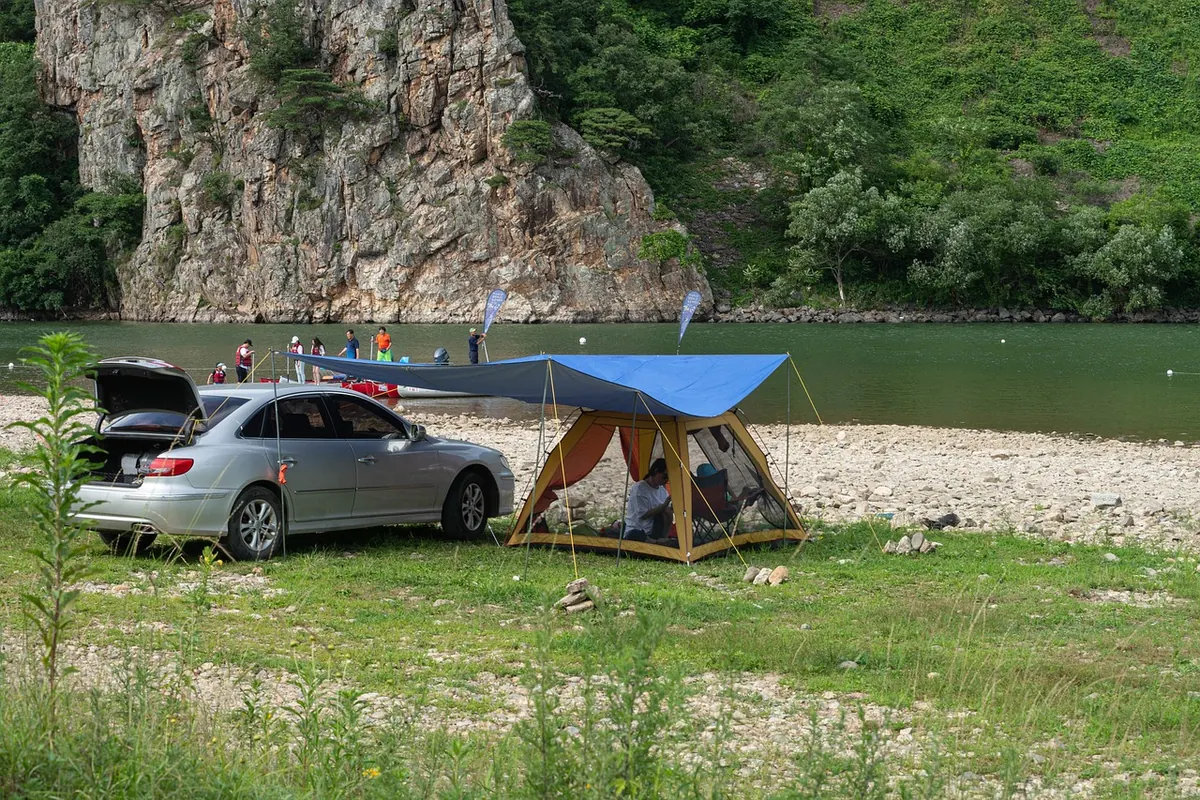
A forest theatre workshop needs no stage, no lighting rig and no script. It needs a dozen people willing to stand under trees, a boundary everyone understands, and a facilitator who knows when to stop talking. What follows is a half-day plan you can run with adults who have never performed outdoors, or with teenagers who believe they are too cool for warm-ups. Change the timings to suit your group, keep the order roughly intact, and read the safety checklist twice before you leave the house.
Start with the Site, Not the Script
Visit the wood a week before the session, at the same time of day, and walk the exact route you plan to use. You are looking for three things: ground you can stand on without twisting an ankle, a natural gathering place with decent acoustics, and hazards you will need to mention in the briefing. Tree roots, boggy patches, low branches at head height, glass, a wasp nest in a hollow trunk, a stream with slippery banks — all of it matters more outdoors than it ever does in a studio.
Choose a home base where bags and water bottles live, and a separate performance clearing. Keeping them apart sounds fussy until the first scene, when you want the audience sitting down and nobody rummaging for a jumper behind them. Check who owns the land and whether you need permission — many woods are privately managed, and some are protected or closed during nesting season. If your group is large, bring a second adult. A rough ratio of one facilitator to twelve participants is a sensible ceiling for outdoor work with beginners.
A Half-Day Plan You Can Adapt
Four hours is enough for a first workshop and short enough to leave people wanting more. A workable skeleton:
- 0:00–0:15 Arrival, boundary briefing, headcount, kit check.
- 0:15–0:40 Warm-ups for body and voice, on the move.
- 0:40–1:15 Site-aware exercises in pairs and small groups.
- 1:15–1:30 Break. Water, layers, silence.
- 1:30–2:45 Building and rehearsing group scenes.
- 2:45–3:15 Sharing the scenes in the clearing.
- 3:15–3:30 Cool-down, debrief, leave-no-trace sweep.
Warm-Ups That Wake Up Body and Voice
Body first
Cold muscles and uneven ground do not mix, so warm up for longer than you would indoors. Start with a shake-out from fingers to toes, then a slow spine roll, then walking the clearing: fill the space, change direction on a clap, find a new pace on a whistle. Add a freeze-and-shape game — everyone walks, you call a word, they make a still image of it with their body. Keep it quick and a little silly. It lowers the embarrassment threshold for everything that follows.
Voice without shouting
Outdoors, beginners either whisper or bellow. Begin with humming on an out-breath, then a gentle lip trill, then a simple call-and-response across eight metres. Ask pairs to throw a short line to each other — "over here", "not that way" — as if it were a ball, landing exactly where the other person can catch it comfortably. This teaches projection as support rather than force, and it teaches them to listen for the reply, which is half of outdoor performance.
Site-Aware Exercises: Let the Wood Do Some Work
The point of these is to make the group notice where they are, so that the scenes later are not just indoor theatre with worse weather.
- Sound map. Everyone sits apart for five minutes with eyes closed, then marks on paper where each sound came from. Share three sounds nobody else heard.
- Texture walk. In pairs, one person leads with eyes closed and the other guides by voice only, no touching. Swap. Ask consent before any physical contact and make it clear that "no" is a complete answer.
- The wood as a character. Small groups choose one tree, stump or path and give it a want, a mood and a way of speaking. Two minutes to prepare, one minute to show.
- Threshold crossing. Mark a line between two trees. Each person crosses it as someone entering a place they should not be, then as someone coming home. Discuss what changed in the body.
- Weather report. Groups have sixty seconds to perform the current weather using only breath, footsteps and voice — no words.
If the scene would work exactly the same in a village hall, it hasn't used the site yet.
Building Group Scenes
Prompts that work outdoors
Give groups of three or four a prompt with a built-in spatial problem: a stranger asking for directions to a place that has gone; two people carrying something heavy that must not be put down; someone waiting for a person who is late. The site then becomes an obstacle and an ally — the slope, the narrow gap between trunks, the fallen log that has to be crossed mid-sentence.
From prompt to scene
Ask for three beats: an entrance, a change, an exit. Keep scenes to three or four minutes. Rehearse once facing the wrong way, once from the audience's position, and once at performance volume, because voices behave differently among trees than in a room. Ban props that need carrying more than twenty metres, and agree where the audience will sit before the first rehearsal, not after. During the sharing, each group performs where they rehearsed — moving a scene at the last minute flattens it.
Safety Checklist for Outdoor Participants
- Before you go: weather forecast checked; landowner or manager contacted; route walked; nearest car park, road access and mobile signal noted; someone at home knows the plan and the finish time.
- Group admin: contact and emergency details for every participant, allergies and medical needs declared confidentially, headcount at arrival, after the break and before departure.
- Kit: first-aid kit, water, spare layers, waterproofs, sun protection, insect repellent, a whistle, and a charged phone in a dry bag.
- Footwear and clothing: closed shoes with grip, long trousers where ticks and nettles are likely, layers rather than one heavy coat.
- Boundaries: walk the perimeter with the group and name the edges; nobody leaves the boundary without telling you; nobody goes alone to the toilet.
- Ground rules: no climbing, no entering water, no eating unidentified plants or berries, no touching wildlife, nothing picked or cut.
- Hazards to name aloud: dead standing branches, wasp and tick risk, uneven ground, and any tool use, which needs its own briefing and a counted return of every item.
Facilitators should hold a current outdoor or wilderness first-aid certificate appropriate to the setting, and groups with children or vulnerable adults need to follow local safeguarding and consent requirements. If anyone has a health condition that could be affected by cold, heat, exertion or insect bites, ask them to speak to their own doctor before the session.
Closing the Circle
Finish where you started, at home base, with a cool-down and a short debrief: one thing you noticed, one thing you will steal for next time, one thing you would change. Count heads again while people are standing still, not while they are packing. Then do the sweep — a slow walk across the clearing collecting anything that is not part of the wood, including the corner of a script someone dropped. Send a short follow-up message the next day with two or three lines on what the group did well and a date for the next session. The wood will still be there; the momentum is the fragile part.
Photo: 12019 / Pixabay